1864 to 1953, Büren, Nervi, Buenos Aires
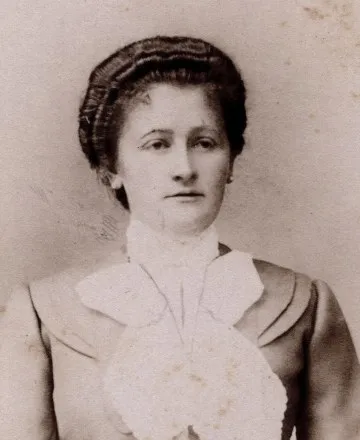
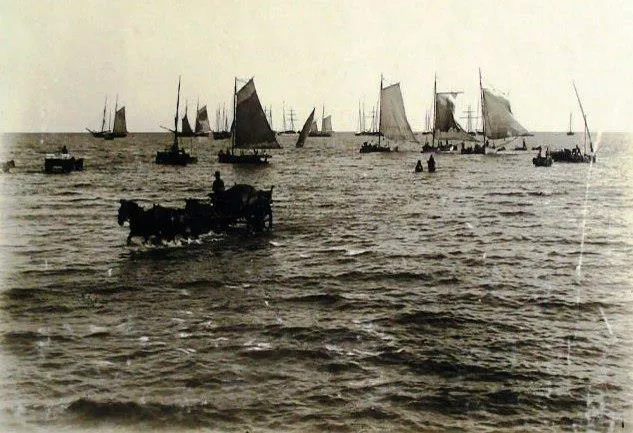
Paulina Scheuber was born on 20 January 1864 at the Schlüssel inn in Büren, the sixth of ten children of Kaspar and Josepha Scheuber. In 1878, aged fourteen, she boarded the mail coach outside the house one morning without telling her parents and travelled via Lucerne to Nervi near Genoa, where an older sister worked. Her grandmother in Stans, the only one in on the plan, had given her the fare.
Read more →
1823 to 1903, Ennetmoos
In 1823 (Josef) Anton Mariä Scheuber bought the gypsum mill in the Betti at Ennetmoos, one of the oldest trades in Nidwalden. Gypsum from Ennetmoos went into the parish church of Stans, the abbey church of Einsiedeln and the Nidwalden town hall. The raw rock, however, had to be hauled laboriously from the Mehlbach alp behind the Stanserhorn.
Read more →
1417 to 1559, Flüeli, Ranft, Wolfenschiessen
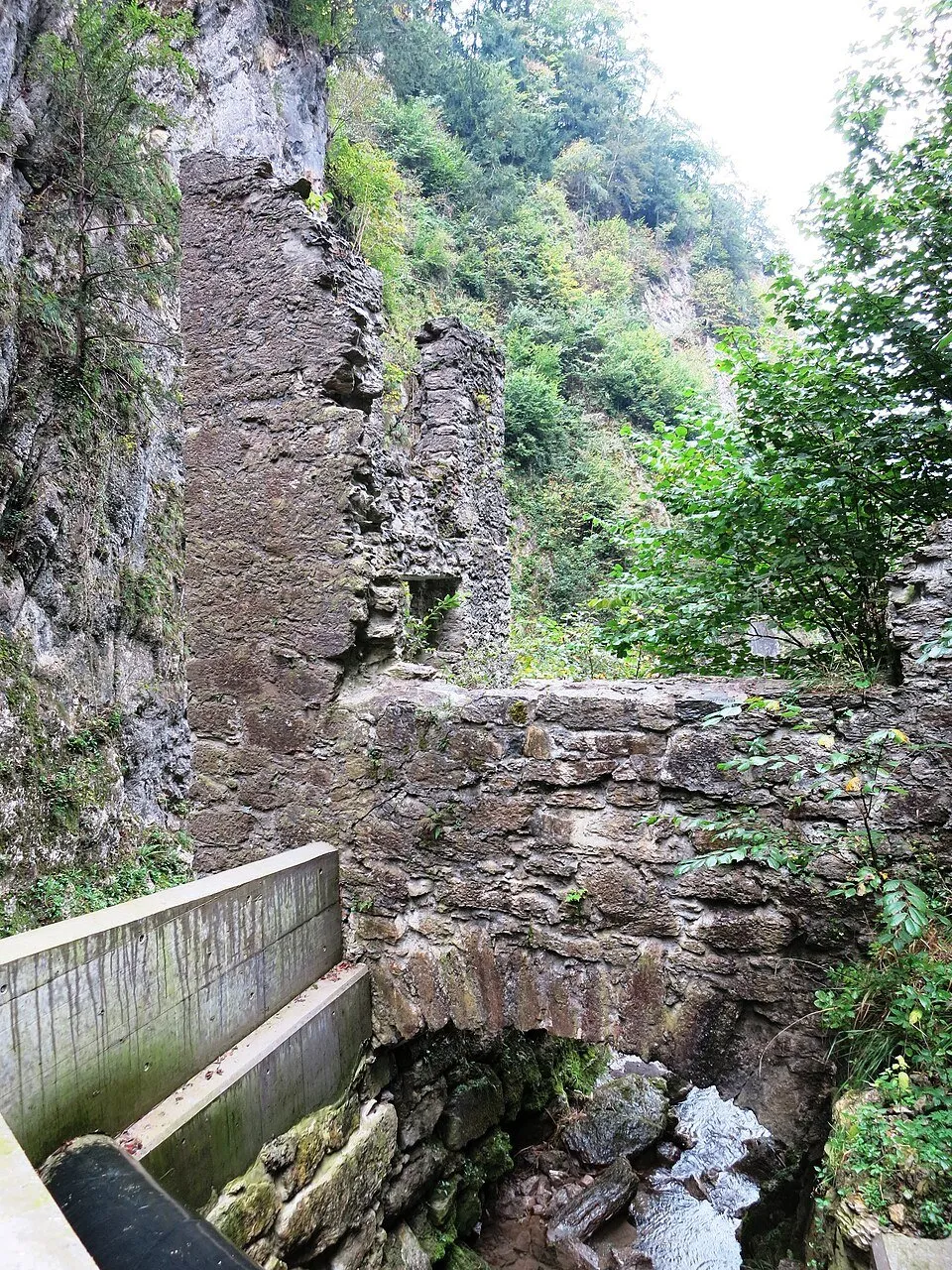
Niklaus von Flüe was born in Obwalden in 1417. He farmed on the Flüeli, sat on the council and had five sons and five daughters with Dorothea Wyss. On 16 October 1467, with her consent, he left his family and from then on lived as a hermit in the Ranft gorge, a few minutes from his farm. Word that he lived without food drew pilgrims, people seeking advice and envoys.
Read more →
1918, Landsgemeinde
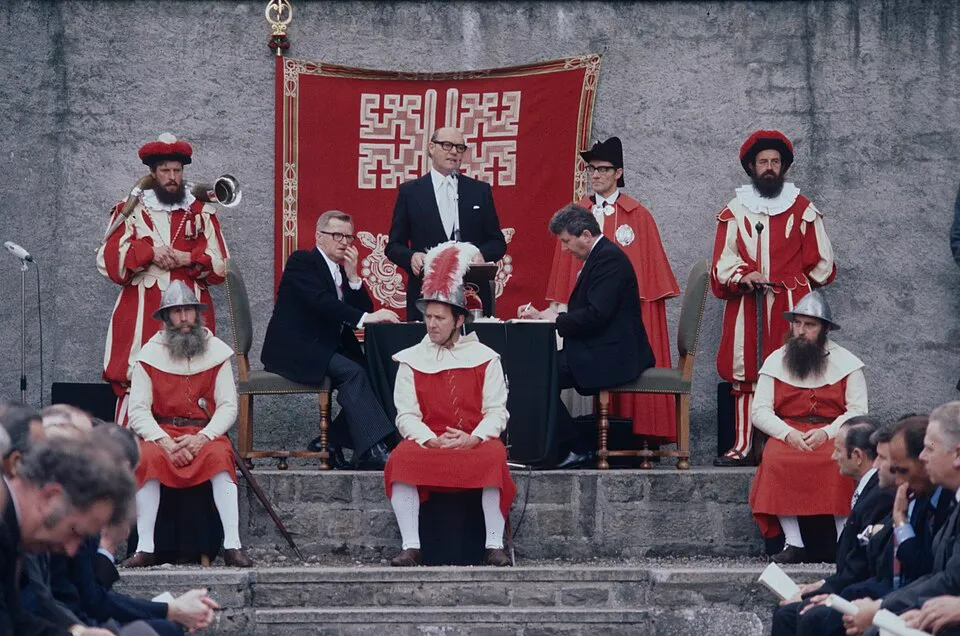
Jakob Scheuber, a son of the gypsum miller Josef Mariä, bought the Hinter-Rotzberg farm in 1901 and gradually almost the whole Rotzberg; his herd was counted among the largest in the canton. In 1896 Ennetmoos sent him to Stans as a cantonal councillor; he gave up the seat in 1902.
Read more →
1934, Bannalp
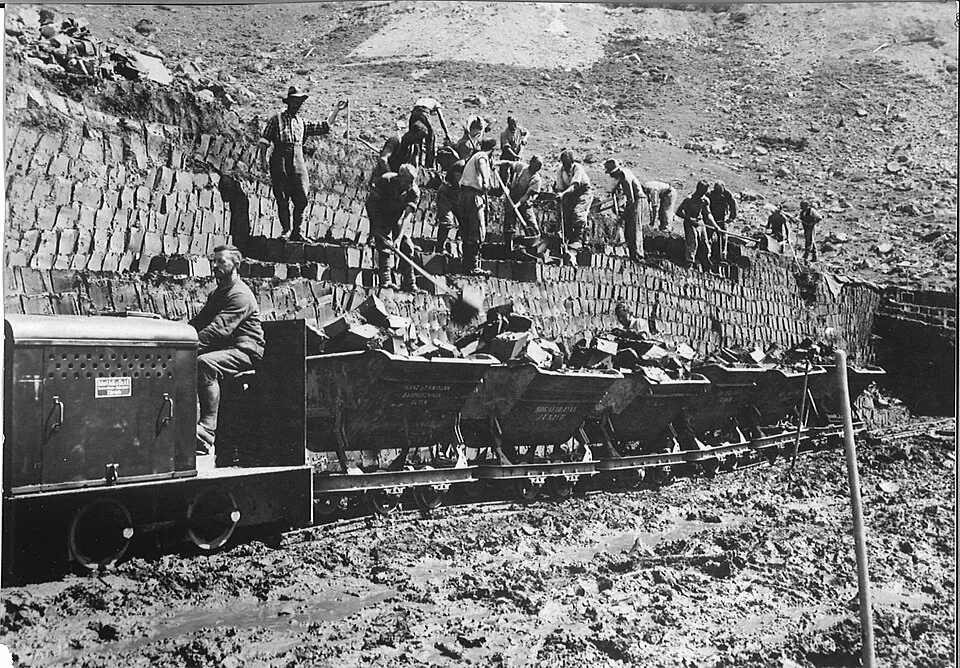
In the 1920s and 1930s electricity was expensive in Nidwalden, because outside suppliers charged high prices per kilowatt hour. The watchword was «self-supply». The government and the council majority dismissed a power plant of the canton’s own as «fantasy».
Read more →
from 1885, Argentina and California
Kaspar Scheuber, a brother of the gypsum miller Josef Mariä, kept the Schlüssel inn in Büren and narrowly escaped bankruptcy in 1886. His son Josef was summoned before the cantonal court for insolvency at the end of 1887; back in 1884 he had spent weeks in custody in the town hall.
Read more →
1899, Gruobi alp
On 14 October 1899 the Obwalden gamekeeper Werner Durrer and his son Josef surprised two hunters from Nidwalden on the Gruobi alp in the Melchtal, who had been poaching chamois on Obwalden ground. Father and son were shot dead. The man held responsible was Adolf Scheuber, a carpenter from Wolfenschiessen and a well-known hunter, said to have supplied the city of Lucerne with chamois meat.
Read more →
 Scheuber Family